
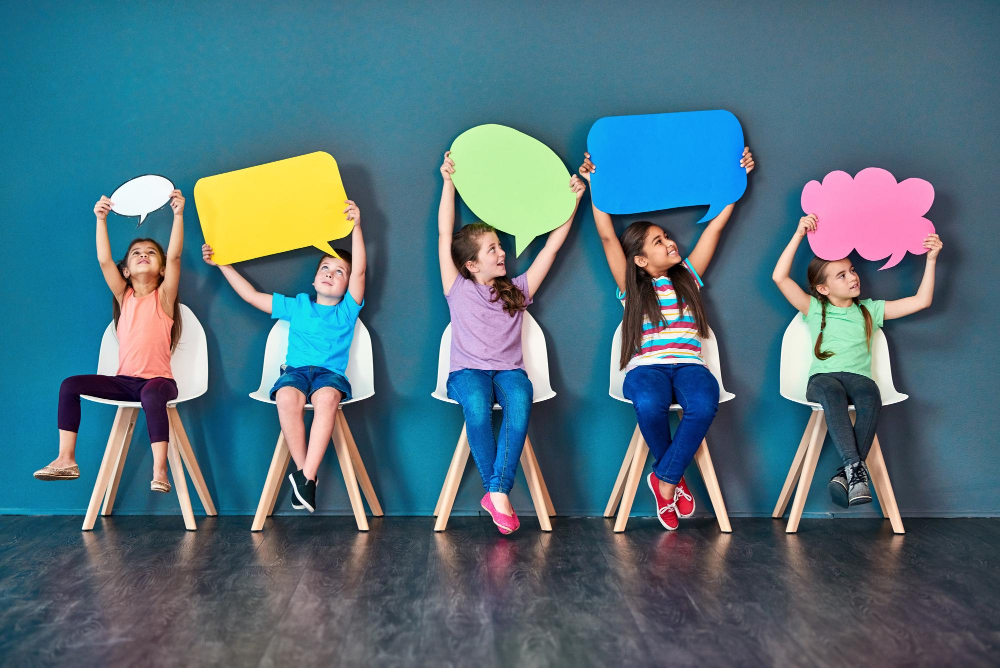
Communication is an essential part of everyday life. It allows children to express what they want, ask for help, share their feelings, connect with others, and participate more independently in daily activities.
For some children with Autism Spectrum Disorder (ASD) or other developmental challenges, communication may develop differently. They may have difficulty expressing their needs, understanding others, initiating interactions, or communicating effectively in different situations.
ABA Therapy can help children develop functional communication skills by identifying how each child currently communicates and creating personalized opportunities to learn more effective ways to express their needs, choices, and feelings.
The goal is not simply to encourage a child to talk more. It is to help them communicate in meaningful ways that support everyday life and greater independence.
Communication Is More Than Speaking
Communication does not always mean spoken language. Children may communicate through:
- Words and sentences
- Gestures and pointing
- Facial expressions
- Pictures or visual supports
- Sign language
- Augmentative and Alternative Communication (AAC)
- Actions and behaviors
For example, a child who takes a parent’s hand and leads them toward the refrigerator may be communicating that they want something to eat or drink.
Recognizing these attempts is important. ABA Therapy for communication builds on the child’s existing abilities rather than focusing only on spoken language.
What Are Functional Communication Skills?
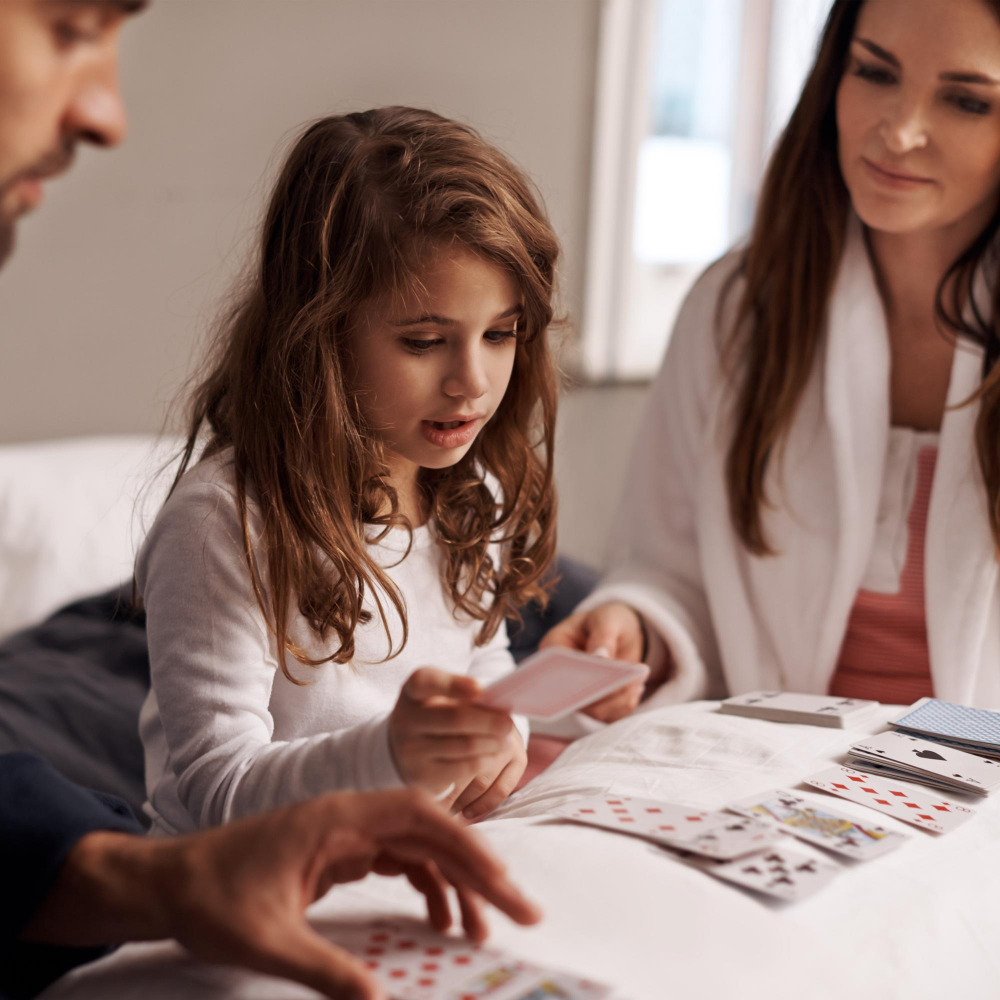
Functional communication means being able to communicate something meaningful and useful in everyday life.
For a child, this might include learning to:
- Ask for food, toys, or activities
- Request help
- Ask for a break
- Express “yes” or “no”
- Make choices
- Gain someone’s attention
- Express discomfort
- Respond to questions
- Participate during play
Imagine a child who becomes upset when they cannot open a toy container. Instead of crying or abandoning the activity, they can gradually learn to communicate “Help.”
Depending on the child, this could be expressed verbally, through a gesture, picture, sign, or AAC device. What matters is developing an effective way to communicate their needs.
How ABA Therapy Supports Communication Development
When working on communication skills for children, ABA professionals consider what the child can already do, what motivates them, which situations are challenging, and which skills would make the greatest difference in their everyday life.
Therapists can then create individualized learning opportunities.
Requesting What They Need
Children are often motivated to communicate when the outcome is meaningful.
If a child enjoys bubbles, for example, a therapist might create opportunities to request “more,” “bubbles,” or “again.”
As the child progresses, these skills can gradually become more complex and occur naturally across different situations.
Asking for Help
Learning to request assistance can support independence.
A child struggling with a backpack, puzzle, or other activity can learn to ask for help rather than becoming frustrated or abandoning the task.
Making Choices
Simple questions such as “Ball or blocks?” or “Apple or banana?” encourage communication while allowing children to participate more actively in everyday decisions.
Communication and Challenging Behaviors
Sometimes a behavior may be serving a communication function.
A child who becomes upset when a difficult activity begins might be communicating:
- “This is too hard.”
- “I need help.”
- “I need a break.”
ABA professionals look beyond the behavior itself to understand why it may be happening and what the child could be trying to communicate.
The child can then be taught a more effective alternative, such as requesting “Break, please.”
This approach, known as Functional Communication Training (FCT), can help children replace less effective forms of communication with clearer and more useful alternatives.
The Role of Positive Reinforcement
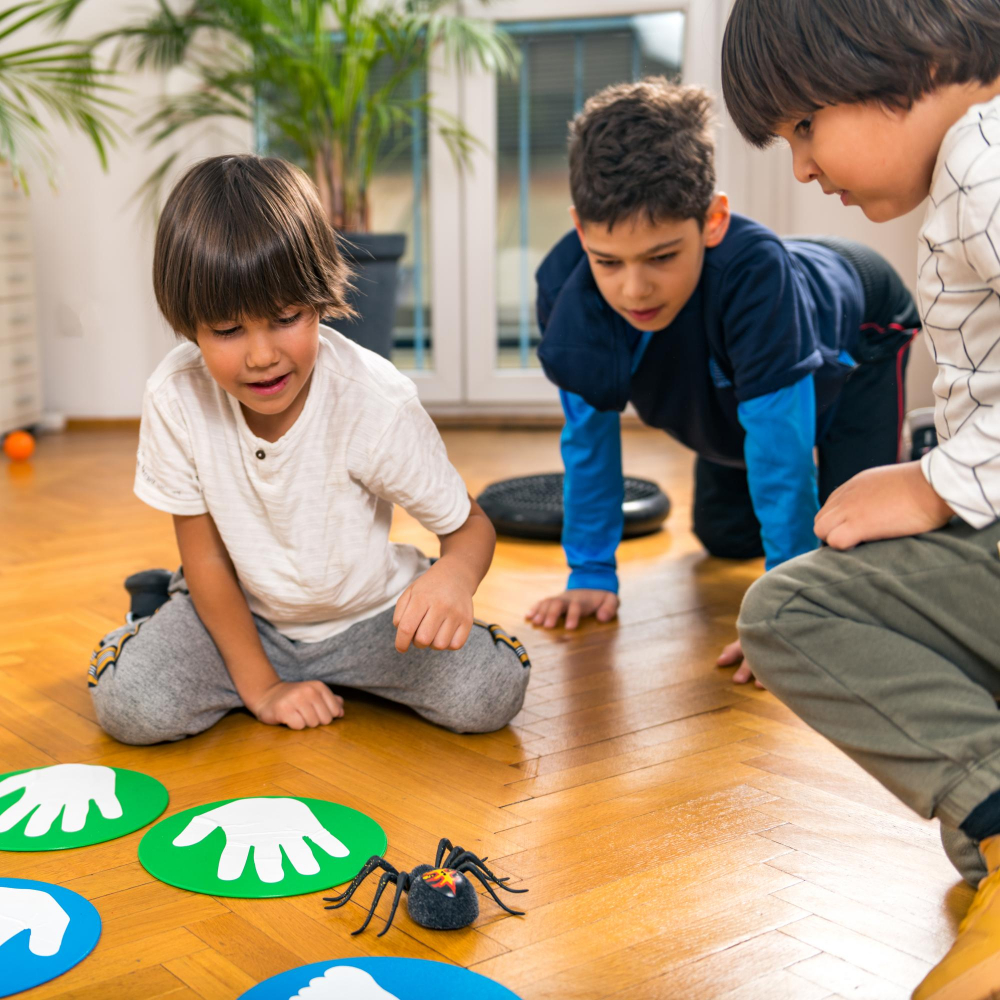
Positive Reinforcement can help children understand that communication is valuable.
When a child appropriately asks for something and receives a meaningful response, they experience an important connection:
I communicated → someone understood me → communication worked.
These successful interactions can encourage the child to communicate again.
Over time, reinforcement becomes increasingly natural: asking for help results in receiving help, requesting an activity allows participation, and expressing a preference helps others understand what the child wants.
Practicing Communication in Everyday Life
Communication skills should extend beyond therapy sessions.
Breakfast, playtime, getting dressed, going to school, visiting a store, bath time, and bedtime all provide natural opportunities to practice requesting, choosing, answering, asking for help, and interacting with others.
Parents can support communication skills for children with autism by giving their child time to respond, offering simple choices, recognizing meaningful attempts to communicate, praising successful communication, and creating natural opportunities to request help or preferred activities.
The goal is not to turn every interaction into therapy. Communication should remain natural, useful, and positive.
Every Child Communicates Differently
There is no single communication approach that works for every child.
Some children primarily use spoken language, while others may use gestures, signs, pictures, AAC systems, or a combination of methods.
For this reason, effective ABA communication skills programs should consider each child’s abilities, strengths, interests, motivations, family routines, and individual goals.
Progress is not about comparing one child with another. It is about helping each child develop meaningful skills that support their relationships, participation, and independence.
Helping Your Child Build Meaningful Communication Skills
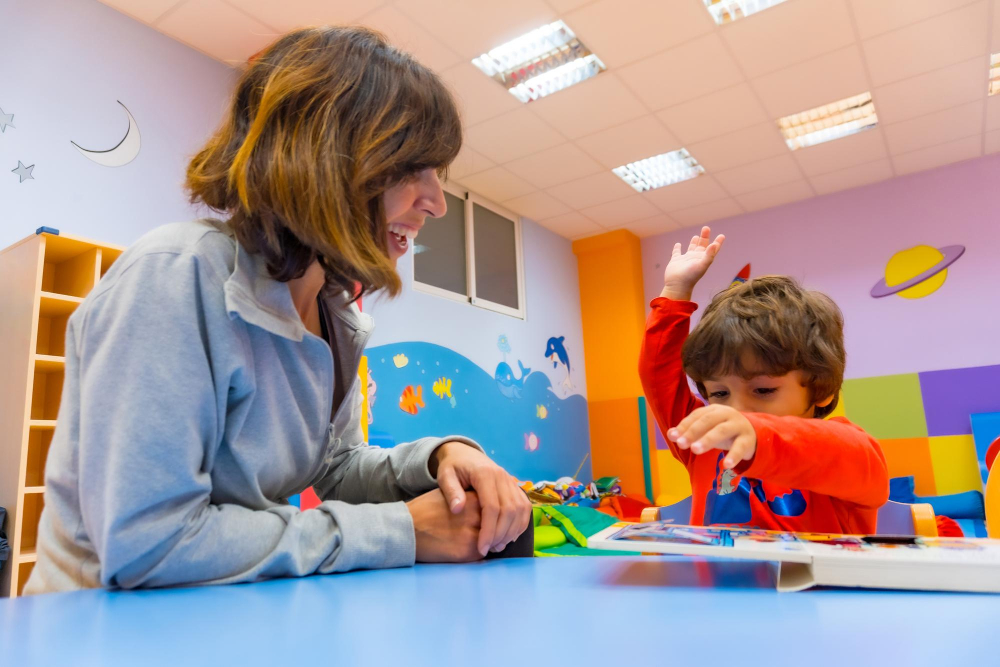
At Brito Behavior Services, our specialists understand that every child has unique strengths, needs, and ways of communicating.
Our team uses evidence-based ABA Therapy, Positive Reinforcement, Functional Communication Training, individualized treatment plans, and ongoing progress monitoring to help children develop practical communication skills they can use at home, at school, and in everyday life.
We also work closely with parents and caregivers so new skills can be supported naturally across different environments.
Whether your child’s goal is learning to request help, express their needs, make choices, or participate more independently, Brito Behavior Services is here to help families build meaningful communication skills one step at a time.